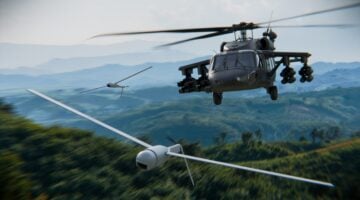
Black Hawk charts a course toward a digital, all-domain future
With a MOSA-enabled backbone, the ITEP engine, launched effects, and autonomy, the Black Hawk helicopter would be well-suited to both near-peer conflict and all-domain operations.

With a MOSA-enabled backbone, the ITEP engine, launched effects, and autonomy, the Black Hawk helicopter would be well-suited to both near-peer conflict and all-domain operations.

The service has already asked vendors to come back with digital engineering “artifacts” and designs for two of its six modernization priorities, Army Under Secretary Gabe Camarillo told reporters.

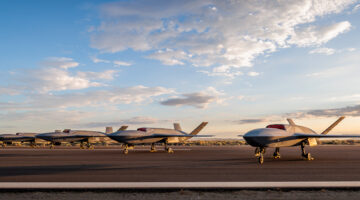
GA-ASI is serious about retaining its position as the leading provider of UAS to the United States and its allies.
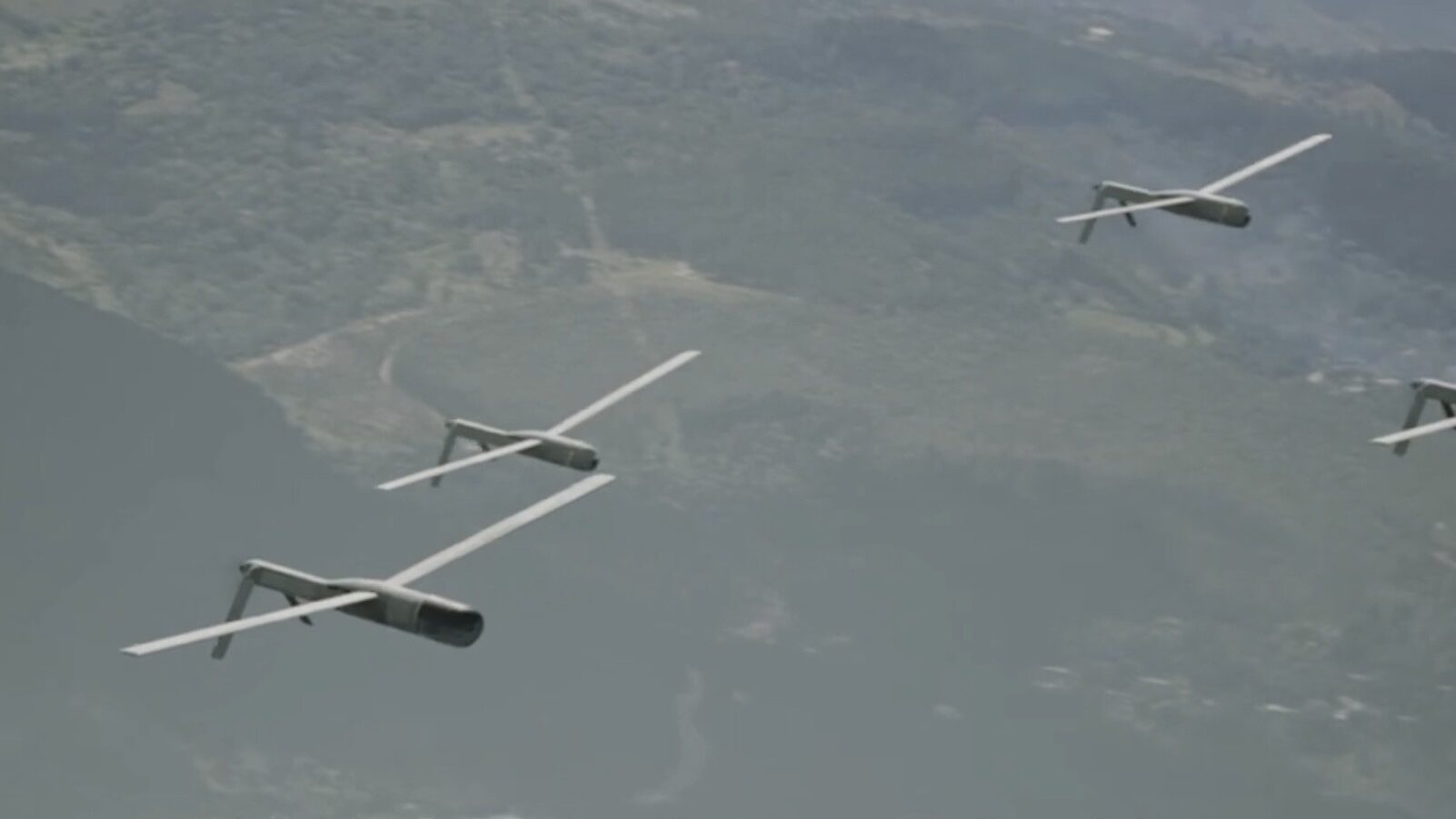
New autonomy and network technology could enable a new form of high-intensity, low-altitude tactics.

The timeline for the Future Long Range Assault Aircraft award is unclear after senior leaders seemed to push it back from an expected October announcement.

The goal of the demonstration was to show how integrated technologies and joint connectivity can support warfighters by providing actionable data and increased situational awareness, the company said.

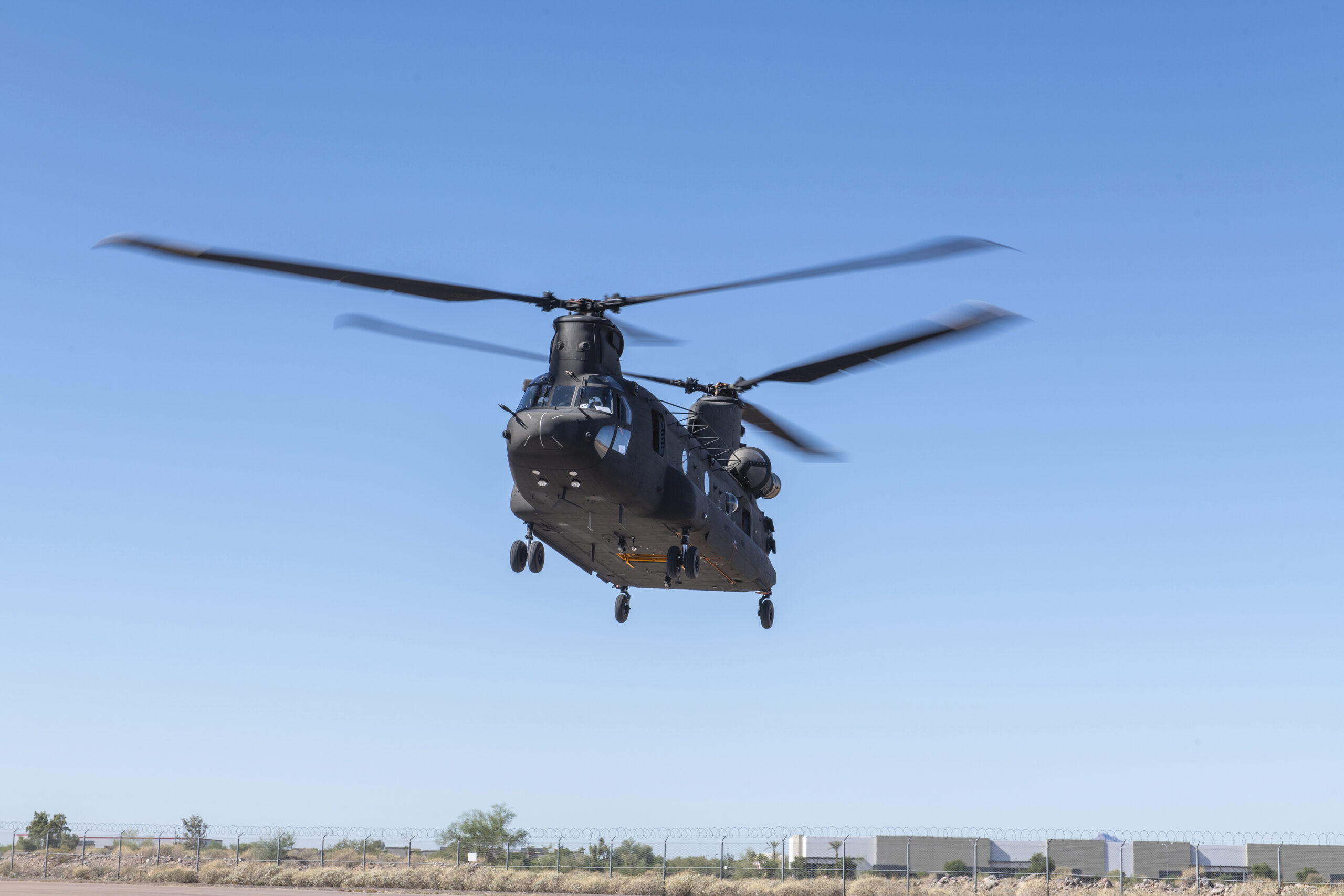
With greater lift and increased commonality, the Army’s heavy-lift helicopter just keeps getting better.

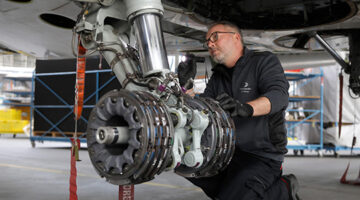
A commitment to long-term operational value.

“I think it's unanimous from all the soldiers involved that we got this one right,” said the Army’s project manager for the Future Tactical Unmanned Aerial System. Manned aircraft, FARA and FLRAA, are also moving out sharply.

The Army’s Fight for Battlefield Control is Changing, Lockheed Martin is Leaning in with Innovation

In the competition for the Future Long Range Assault Aircraft, high agility and low life-cycle costs matter most, a former Marine tiltrotor test pilot argues.

Despite tightening budgets, the Army’s pushing ahead with its plan to replace the Reagan-era UH-60 Black Hawk with a high-speed Future Long-Range Assault Aircraft (FLRAA). It’ll pick between Bell’s V-280 and the Sikorsky-Boeing Defiant-X next year, with the winner entering service in 2030.

Explore how software, edge AI and resilient connectivity can strengthen military logistics in contested environments. Join Breaking Defense on Oct. 21 and earn 1 CPE credit.

The Army has learned from the Comanche scout chopper debacle, where it spent $9 billion in today’s dollars to get just two prototypes. With Future Vertical Lift, $7 billion will get 18 prototype aircraft, counting both the FARA scout and FLRAA transport.

“Shadow could never fly in this type of moisture, couldn’t even come close,” Brig. Gen. Walter Rugen said, but all four FTUAS candidates made it through the rain. The formal Army Requirements Oversight Council process begins in weeks.

New drones – launched by helicopters in flight and built by the Pentagon's Strategic Capabilities Office – will reach out “hundreds of kilometers.” Marine F-35s, 82nd Airborne troops, and Special Ops will also participate in exercise EDGE21.
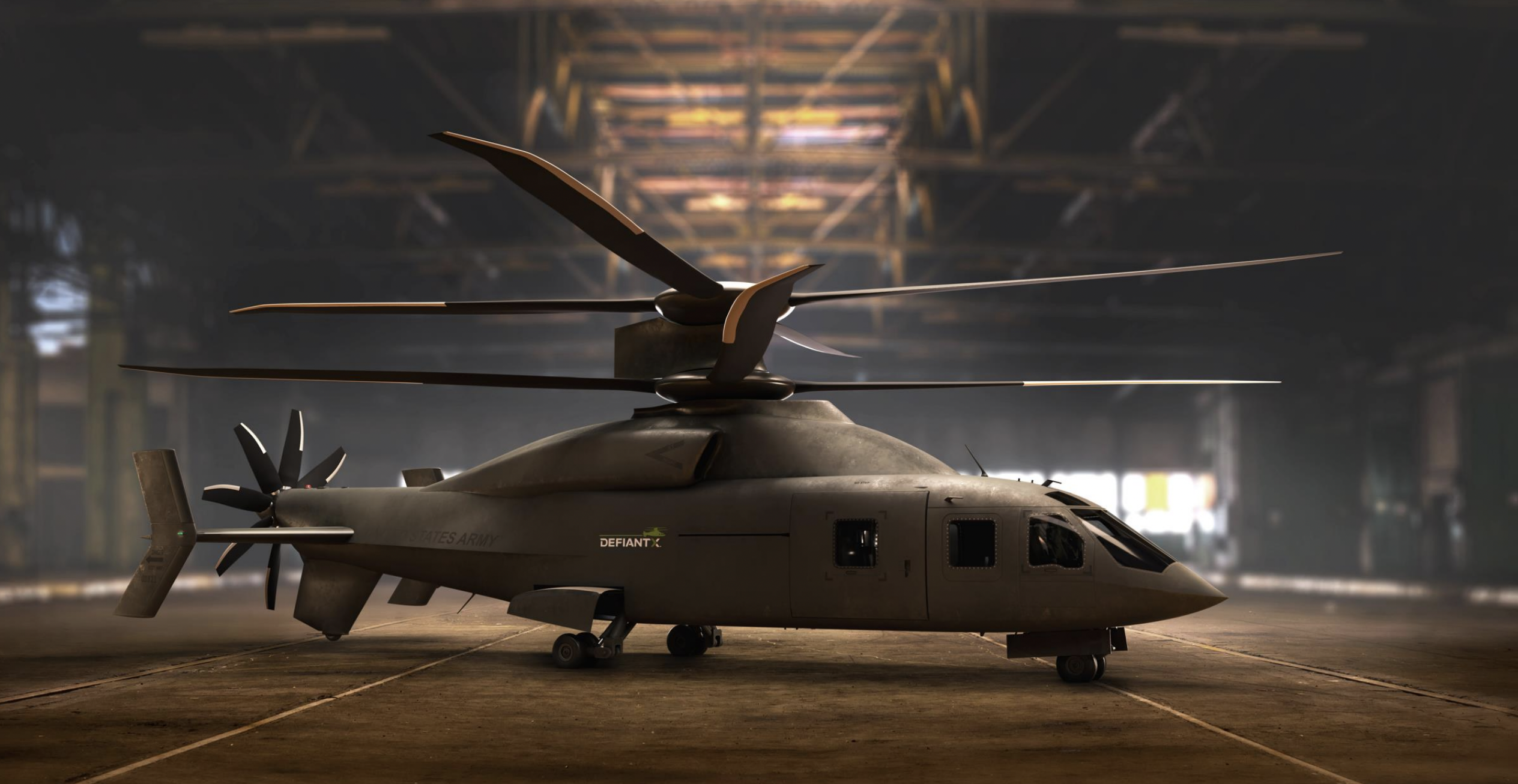
The companies’ proposed Future Long-Range Assault Aircraft (FLRAA) to replace the UH-60 is a sleeker, stealthier version of the prototype SB>1 Defiant now in flight tests. Can it beat Bell’s tiltrotor?